
What Is Vision Testing & Refraction?
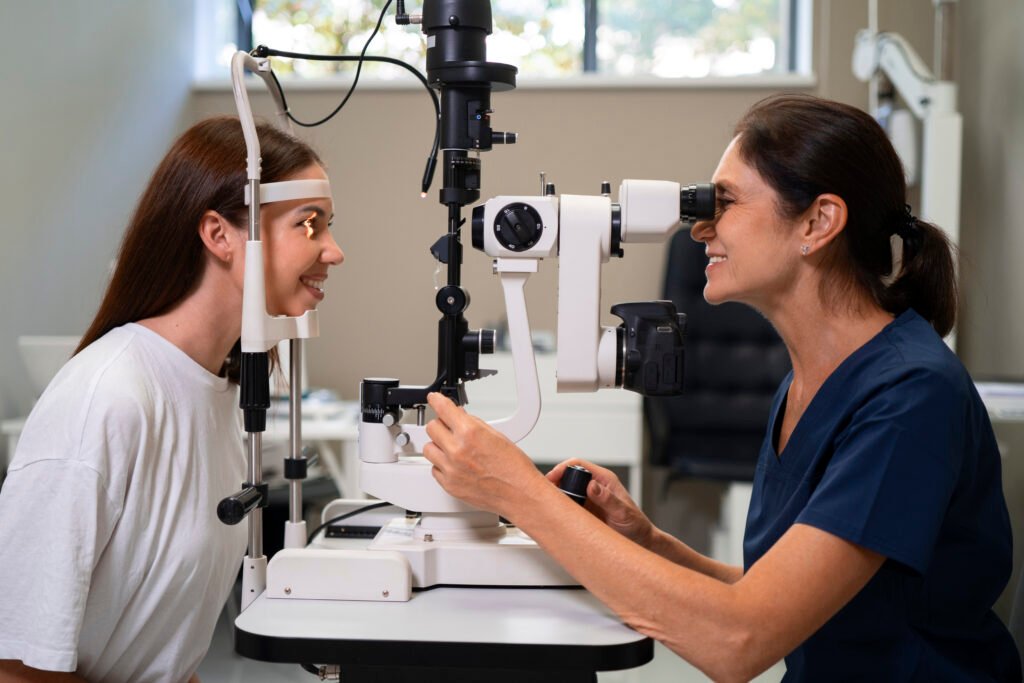
Vision testing and refraction form the clinical foundation of any comprehensive eye consultation. While many people associate a visit to the eye doctor with updating their spectacles or contact lenses, a properly conducted refraction test is a precise clinical process that evaluates how the eye bends and focuses light — and identifies whether a refractive error is causing blurred, strained, or impaired vision.
At our clinic in Malad, Dr. Archana Sanghvi Gotecha performs detailed vision assessments using a combination of objective and subjective refraction techniques. The goal is to ensure that every patient receives a prescription that is accurate, comfortable, and suited to their individual visual needs and daily activities.
What Is Refraction in an Eye Exam?
Refraction, in optical terms, refers to the bending of light as it passes through a medium. In the eye, the cornea and lens work together to refract incoming light and focus it precisely on the retina. When this process is imperfect — due to the shape or length of the eye — a refractive error occurs, resulting in blurred vision. The four common types of refractive error are:

Myopia (short-sightedness) — distant objects appear blurred

Hyperopia (long-sightedness) — near objects are difficult to focus on

Astigmatism — irregular curvature of the cornea or lens, causing distorted vision at any distance

Presbyopia — age-related loss of near focusing ability, typically from the mid-40s onwards
How Is a Refraction Test Performed?
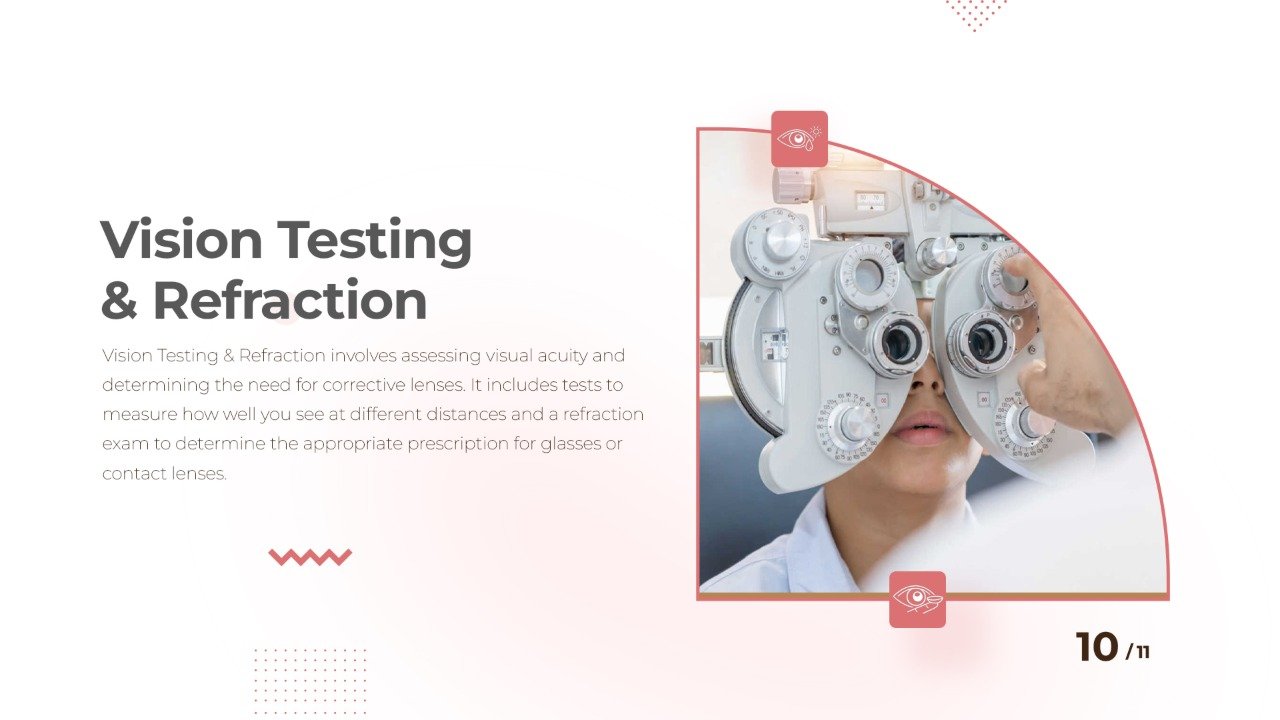
A vision testing and refraction test involves two stages. Objective refraction uses an instrument called an autorefractor to measure the eye’s focusing error without requiring responses from the patient — this is particularly useful in children and patients who cannot verbally communicate. Subjective refraction then refines this measurement by presenting different lens combinations to the patient and asking them to compare clarity. This interactive process produces the final, accurate prescription.
Screen Time and Refraction in Urban Mumbai
For many working adults in Mumbai, including those in Malad, long hours in front of digital screens are an unavoidable part of the professional day. An outdated or incorrect prescription significantly worsens digital eye fatigue, headaches, and blurred vision. Regular vision testing ensures your prescription accurately reflects your current visual requirements — including, where relevant, a separate prescription optimised for screen distance.
When Should You Have a Refraction Test?
A refraction test is recommended if you notice blurred vision at any distance, frequent headaches, eye strain during reading or screen use, squinting, difficulty with night vision, or if it has been more than two years since your last prescription review. Children should have their vision tested before starting school, and the prescription should be reviewed regularly during their growing years.
Children and Refraction
Undetected refractive errors in children can lead to amblyopia (lazy eye) and can affect learning, concentration, and academic performance. Dr. Gotecha performs child-friendly refraction assessments using age-appropriate techniques that do not require verbal responses — making it possible to accurately measure vision even in very young children.
Frequently Asked Questions
A: Refraction is the measurement of how the eye focuses light onto the retina. When this process is imperfect due to the shape of the eye, a refractive error causes blurred vision. The refraction test identifies the precise corrective lens prescription needed to restore clarity. It is a fundamental component of every comprehensive eye examination.
A: Most adults should have their prescription reviewed every one to two years. Children and adolescents may need more frequent checks, as their prescriptions can change more rapidly. If you notice any change in your vision between scheduled appointments — blurring, strain, or headaches — consult your ophthalmologist sooner rather than waiting.