
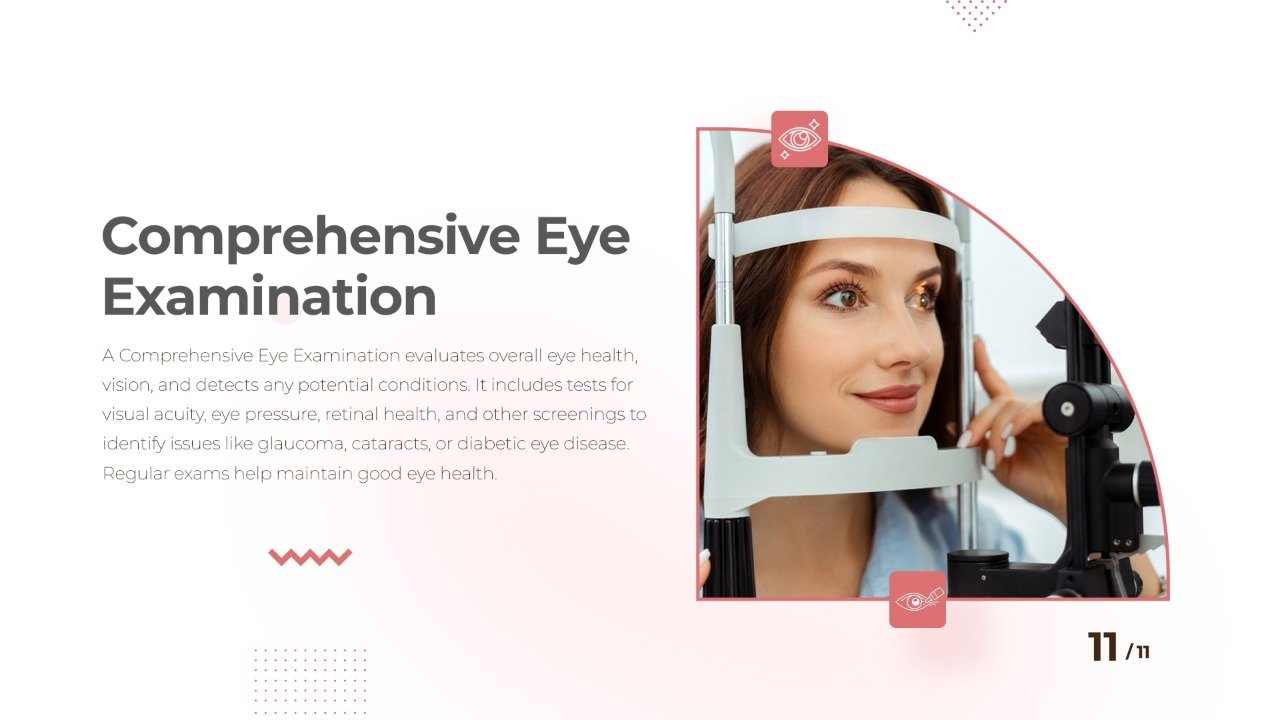

What Is a Comprehensive Eye Exam?
A comprehensive eye examination is a detailed, multi-step clinical evaluation of your vision and the overall health of your eyes. It goes significantly beyond a simple vision test and is designed to assess every part of the eye — from the front surface of the cornea to the retina at the back. At Dr. Chhabildas Sanghvi Eye Hospital in Malad, Dr. Archana Sanghvi Gotecha conducts thorough eye examinations tailored to each patient’s age, health history, and specific concerns.
Unlike a basic vision check that only determines whether you need glasses, a complete eye examination includes an evaluation of eye pressure, the condition of the lens, the health of the optic nerve, and the integrity of the retina. Many serious conditions — including glaucoma and early diabetic eye disease — can only be reliably detected through this kind of thorough clinical assessment.
What Does a Comprehensive Eye Examination Include?
Visual acuity testing — assessing clarity of vision at distance and near
Refraction assessment — determining an accurate spectacle or contact lens prescription
Intraocular pressure (IOP) measurement — screening for glaucoma
Comprehensive dilated eye examination — evaluating the retina, optic nerve, and blood vessels
Slit-lamp biomicroscopy — examining the anterior segment of the eye in detail
Colour vision and peripheral visual field assessment where clinically indicated


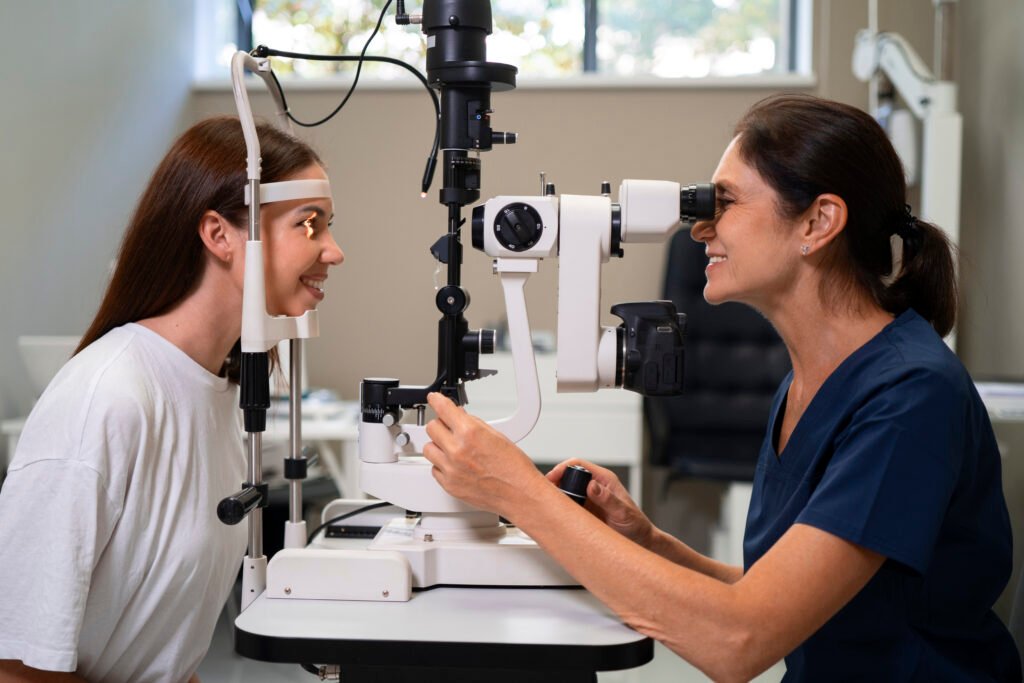
Why Is a Dilated Eye Examination Important?
A comprehensive dilated eye examination involves the use of eye drops to temporarily widen (dilate) the pupils. This allows the ophthalmologist to examine a much wider portion of the retina and assess structures that are not visible during a standard examination. Dilation is essential for evaluating conditions such as macular degeneration, diabetic retinopathy, retinal tears, and optic nerve disease.
After dilation, your near vision may be temporarily blurred and your eyes will be sensitive to light for two to four hours. Patients are advised not to drive immediately after a dilated examination and to bring sunglasses to the appointment.
A full eye examination is recommended for all adults, including those with no current visual complaints. Many people assume that if they can see clearly, their eyes are healthy — but vision clarity and eye health are not the same thing. Children should be assessed early in life to identify refractive errors, amblyopia, and squint. Adults over 40, people with diabetes, and those with a family history of glaucoma should consider annual comprehensive examinations.
Who Should Have a Comprehensive Eye Check-Up?
Eye Health in Mumbai — Why Regular Examinations Matter
Residents of Malad and the wider Mumbai area face a distinct combination of eye health risk factors: extended hours of screen use, high levels of ambient air pollution, UV exposure, and the physical demands of urban commuting. These factors can accelerate the development of dry eye, computer vision syndrome, and even early cataract formation. A regular, comprehensive eye check-up is one of the most effective ways for Mumbai residents to monitor their ocular health and catch any changes before they progress.
Frequently Asked Questions
A: A comprehensive eye examination is a detailed evaluation of vision and eye health. It includes multiple tests — visual acuity, refraction, intraocular pressure measurement, dilated retinal examination, and more — to detect any eye conditions, whether or not symptoms are present. It is significantly more thorough than a basic vision screening or glasses prescription check.
A: A comprehensive eye examination typically takes between 45 minutes and 1.5 hours, depending on the tests required. If dilation drops are used, you may need additional time for your pupils to widen. Near vision may be temporarily blurred for a few hours after dilation.
A: Most adults should have a comprehensive eye examination every one to two years. Those with diabetes, a history of glaucoma, or high myopia may need annual check-ups. Children should be examined at intervals recommended by their ophthalmologist.
A: Yes. A dilated eye examination can sometimes reveal signs of systemic conditions such as diabetes, hypertension, and certain neurological disorders — because the blood vessels and optic nerve are directly visible in the eye. This is another important reason to undergo regular thorough eye check-ups.
A: Yes. A glasses prescription is only one component of a comprehensive eye examination. The full exam assesses the health of all the eye’s structures — the cornea, lens, retina, optic nerve, and more. You can have a perfect prescription and still have early-stage glaucoma or another eye disease requiring treatment.
