

Understanding Glaucoma — The Silent Thief of Sight
Glaucoma is a group of progressive eye conditions that cause damage to the optic nerve — the vital structure that carries visual signals from the eye to the brain. In most cases, this damage is associated with elevated intraocular pressure (IOP), though glaucoma can also develop when eye pressure appears to be within the normal range. What makes glaucoma particularly serious is that it typically causes no pain and produces no noticeable symptoms in its early stages, even as irreversible damage quietly accumulates.
By the time most patients notice peripheral vision loss — the hallmark of glaucoma — a significant portion of optic nerve fibres has already been permanently lost. This is precisely why regular glaucoma screening is so important, particularly for individuals who carry known risk factors.
Who Is at Higher Risk of Glaucoma?
Certain individuals are at greater risk of developing glaucoma and should be screened regularly. These include:

Adults over 40 years of age

Those with a family history of glaucoma (first-degree relatives)

Individuals with elevated intraocular pressure (ocular hypertension)

Patients with high myopia (short-sightedness)

People with diabetes, cardiovascular disease, or hypertension

Long-term users of corticosteroid medications

Glaucoma Screening at Our Malad Clinic
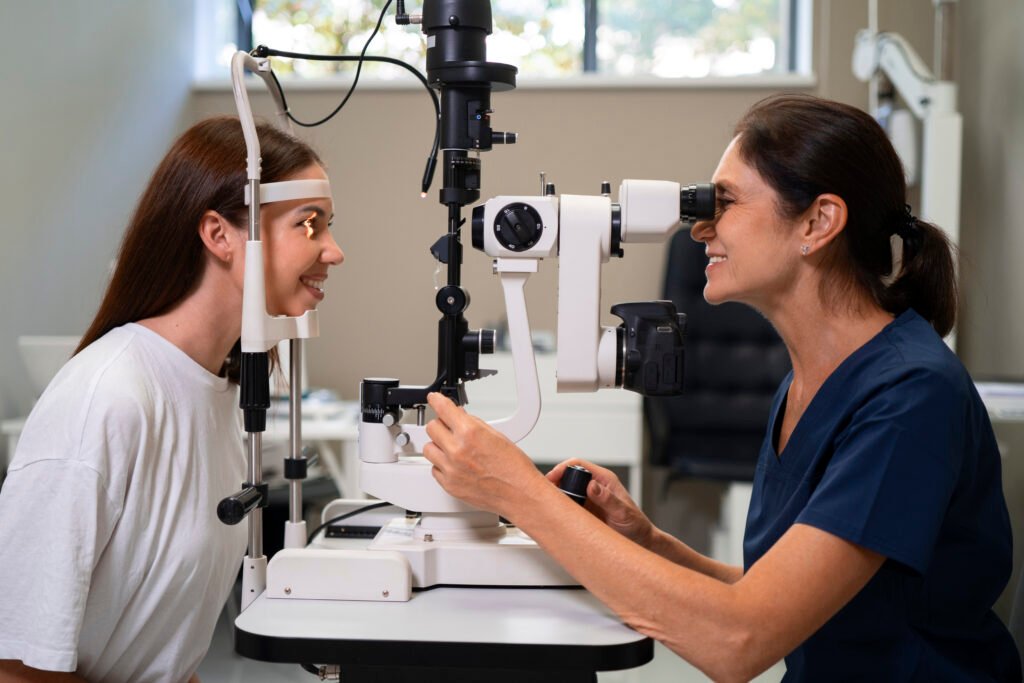
Dr. Archana Sanghvi Gotecha provides comprehensive glaucoma screening as a component of routine eye examinations and as a dedicated assessment for higher-risk patients. Screening includes measurement of intraocular pressure (tonometry), evaluation of the optic nerve head using slit-lamp biomicroscopy, gonioscopy to assess the drainage angle of the eye, and visual field testing to detect any peripheral vision loss.
Glaucoma Treatment Options
While there is currently no cure for glaucoma, the condition can be effectively managed to prevent or significantly slow further vision loss. Treatment is tailored to the type and stage of glaucoma and may include:

Medicated eye drops to lower intraocular pressure — the most common first-line treatment

Laser therapy such as Selective Laser Trabeculoplasty (SLT) to improve fluid drainage

Surgical intervention in advanced or medically unresponsive cases

Glaucoma and Urban Lifestyle in Mumbai
Research suggests that elevated stress levels, disrupted sleep, poorly managed systemic conditions, and limited physical activity may contribute to ocular pressure fluctuations. For many working adults in Mumbai, these factors are a daily reality. Regular annual eye examinations remain the most reliable tool for early glaucoma detection in the general population.
Frequently Asked Questions
A: Yes. A comprehensive eye examination — including intraocular pressure measurement and optic nerve evaluation — can detect early signs of glaucoma well before any noticeable symptoms develop. This is why regular screening is so critically important, particularly for those with risk factors.
A: In most cases, yes. Glaucoma is a chronic condition requiring ongoing management to prevent further progression. This typically involves regular use of prescribed eye drops and periodic follow-up examinations to monitor intraocular pressure and optic nerve health. Adherence to the treatment plan is essential for preserving long-term vision.