

chabildasdrarchana

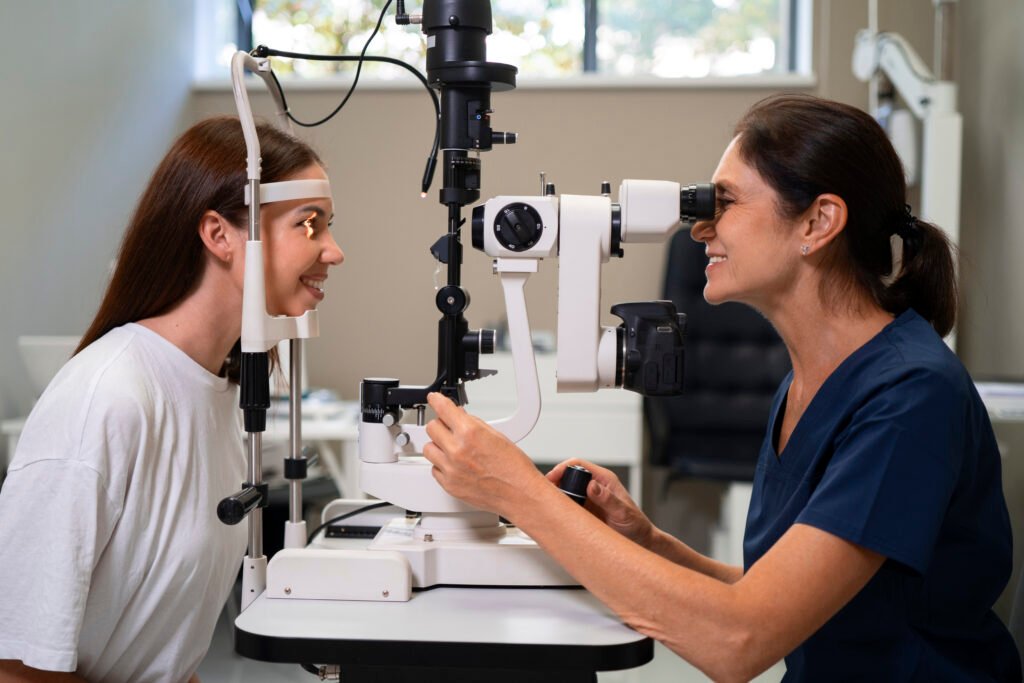
smart-experienced-ophthalmologist-being-ready-to-work.jpg

What Is a Cataract?

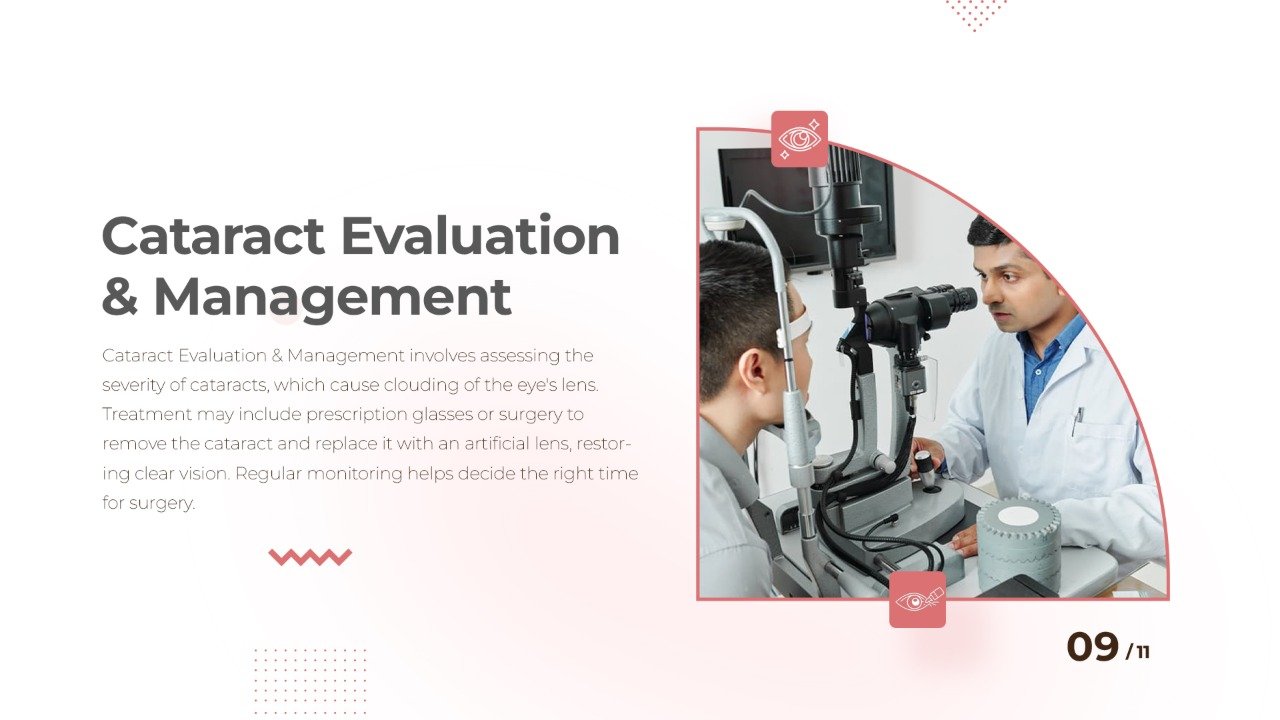
A cataract is a clouding of the natural lens inside the eye — the transparent structure responsible for focusing light onto the retina to produce clear, sharp images. As the lens becomes progressively opaque, vision gradually dims, colours appear washed out, sensitivity to bright lights and glare increases, and reading becomes more difficult. Cataracts are among the most common causes of reversible vision impairment globally, and they are particularly prevalent in adults over the age of 50, though they can develop at any age due to injury, medication, or systemic conditions such as diabetes.

Unlike a basic vision check that only determines whether you need glasses, a complete eye examination includes an evaluation of eye pressure, the condition of the lens, the health of the optic nerve, and the integrity of the retina. Many serious conditions — including glaucoma and early diabetic eye disease — can only be reliably detected through this kind of thorough clinical assessment.

Comprehensive Cataract Evaluation in Malad, Mumbai

At Dr. Chhabildas Sanghvi Eye Hospital in Malad, Dr. Archana Sanghvi Gotecha provides detailed cataract assessments to accurately stage the condition, evaluate its functional impact on the patient’s vision and daily life, and determine the most appropriate management plan. A thorough evaluation includes:

Detailed slit-lamp examination to assess the degree and type of cataract

Dilated fundus evaluation to assess retinal health prior to any surgical planning

Measurement of best-corrected visual acuity to establish the extent of visual impairment

Biometry and IOL (intraocular lens) power calculation when surgical intervention is being planned


Cataracts in Mumbai — Environmental Factors

Prolonged exposure to ultraviolet (UV) radiation — which is considerable in Mumbai’s climate year-round — is a recognised risk factor for accelerated cataract development. Smoking, poorly controlled diabetes, and prolonged use of certain medications also contribute. Dr. Gotecha provides guidance on protective measures and lifestyle modifications alongside clinical management.

After dilation, your near vision may be temporarily blurred and your eyes will be sensitive to light for two to four hours. Patients are advised not to drive immediately after a dilated examination and to bring sunglasses to the appointment.

Frequently Asked Questions

A: In the early stages, cataracts may be managed with an updated glasses prescription to compensate for changing vision. However, once the cataract progresses to a point where it significantly impacts daily activities, surgery is the only effective treatment. No eye drops or medications have been proven to reverse or dissolve an established cataract.

A: A comprehensive eye examination typically takes between 45 minutes and 1.5 hours, depending on the tests required. If dilation drops are used, you may need additional time for your pupils to widen. Near vision may be temporarily blurred for a few hours after dilation.

Scroll to Top
Call Us